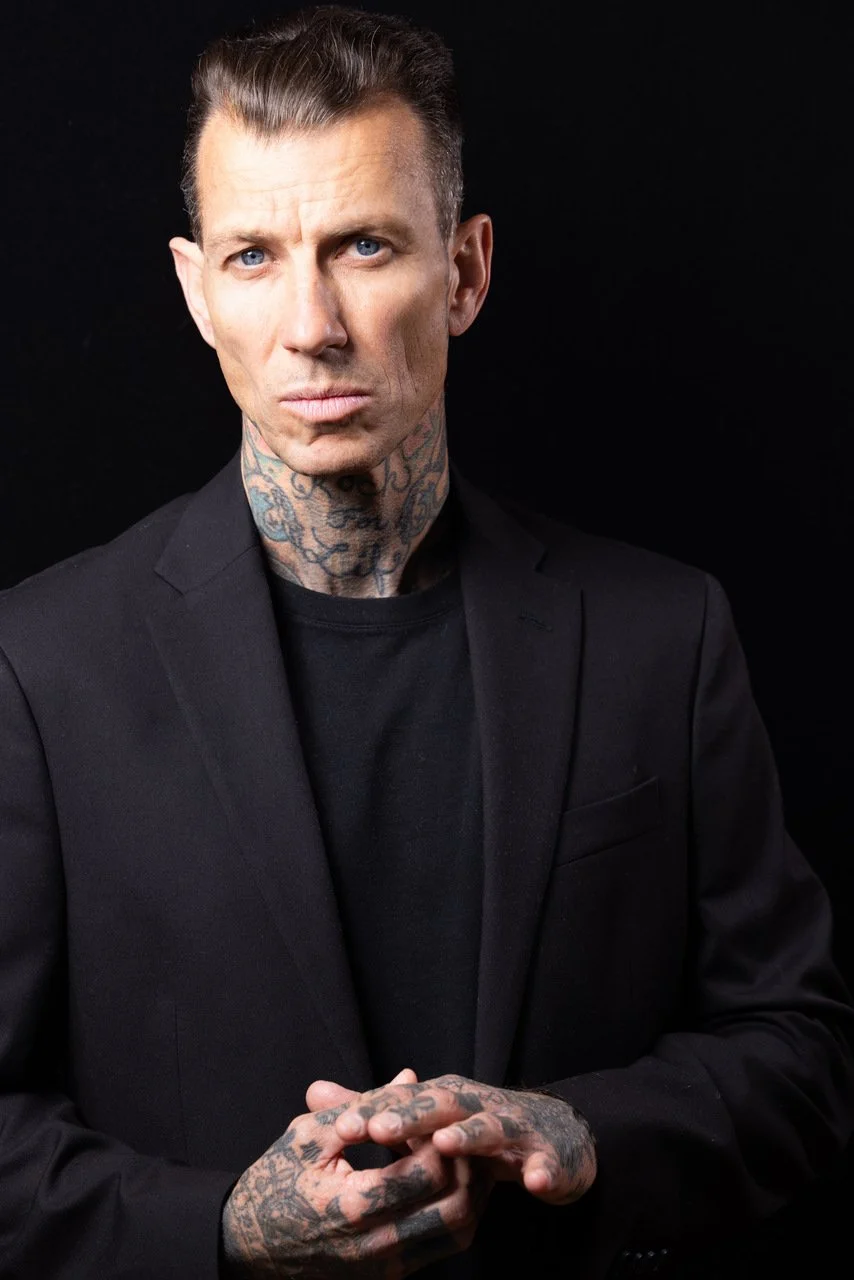
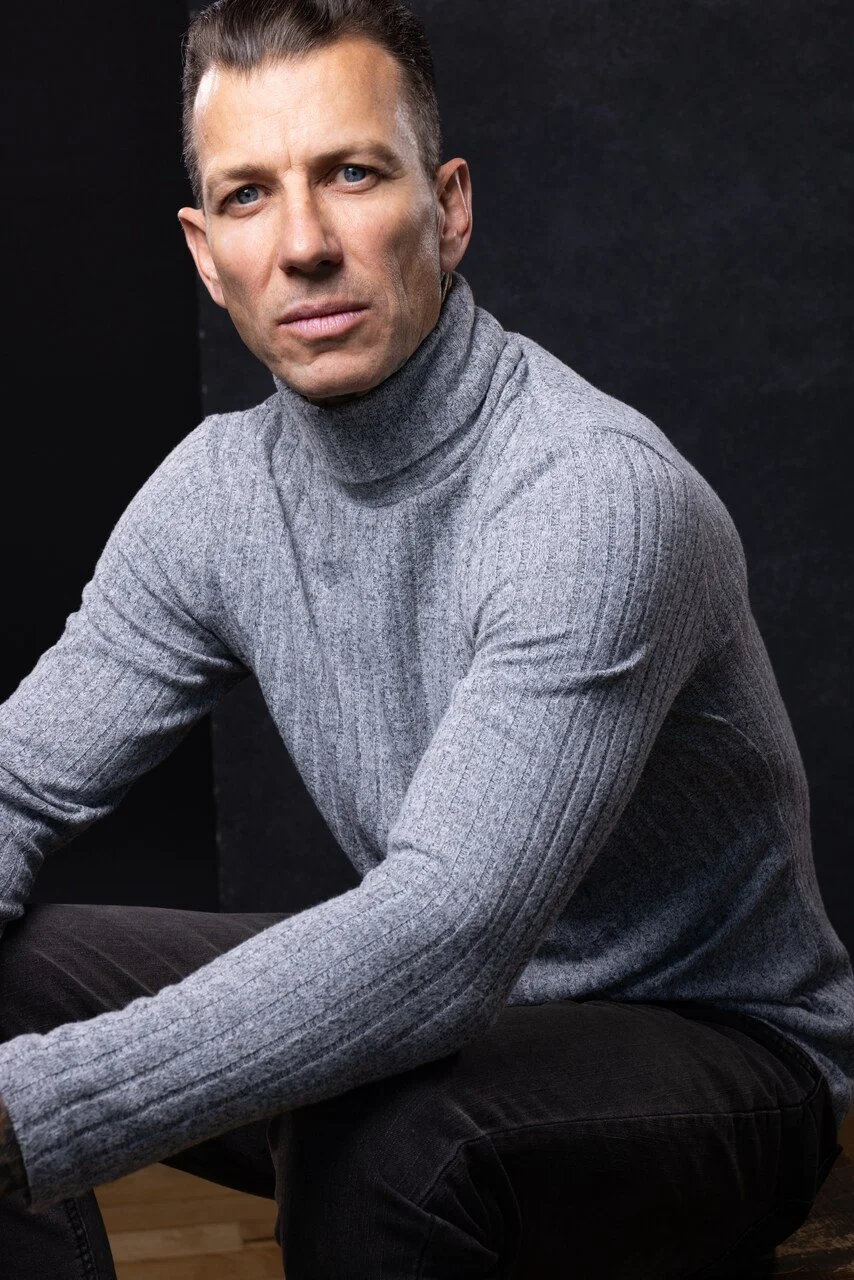
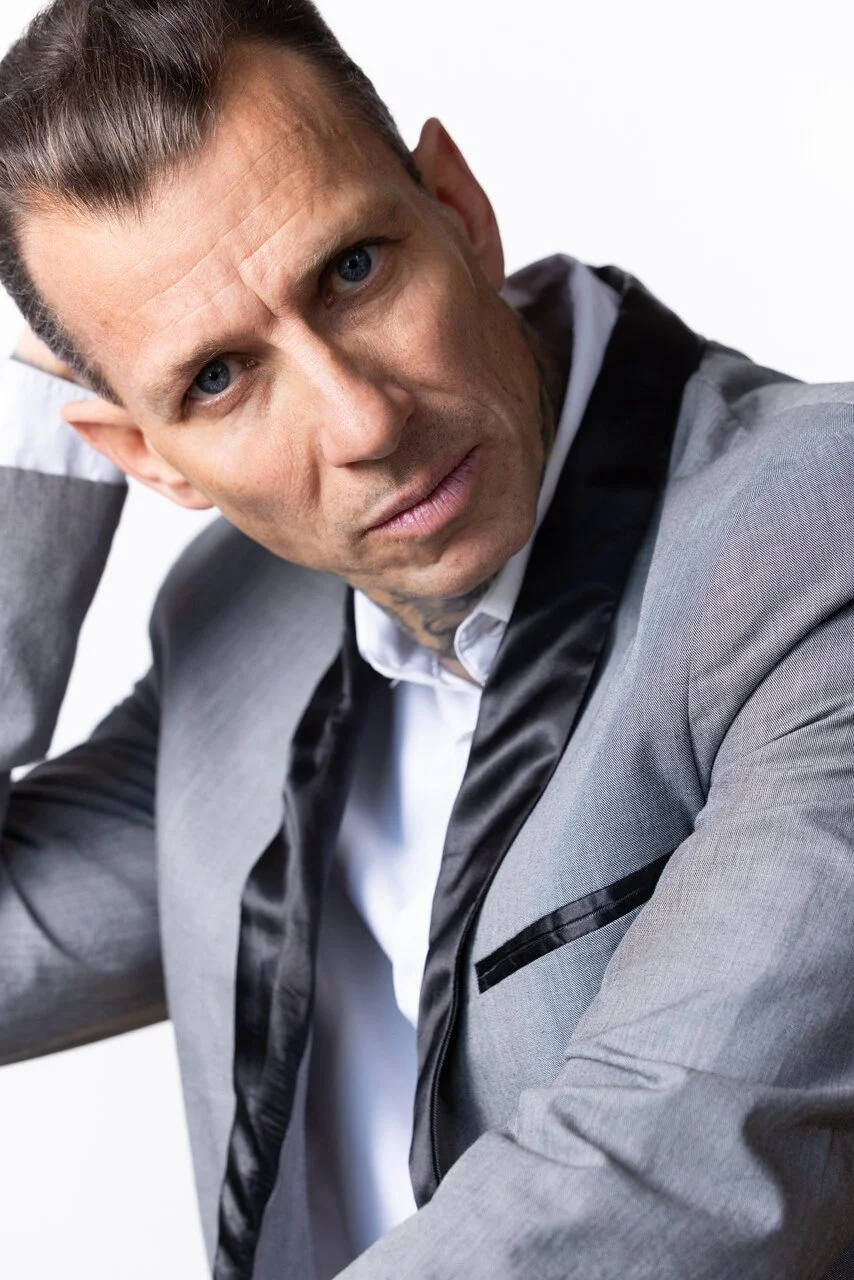
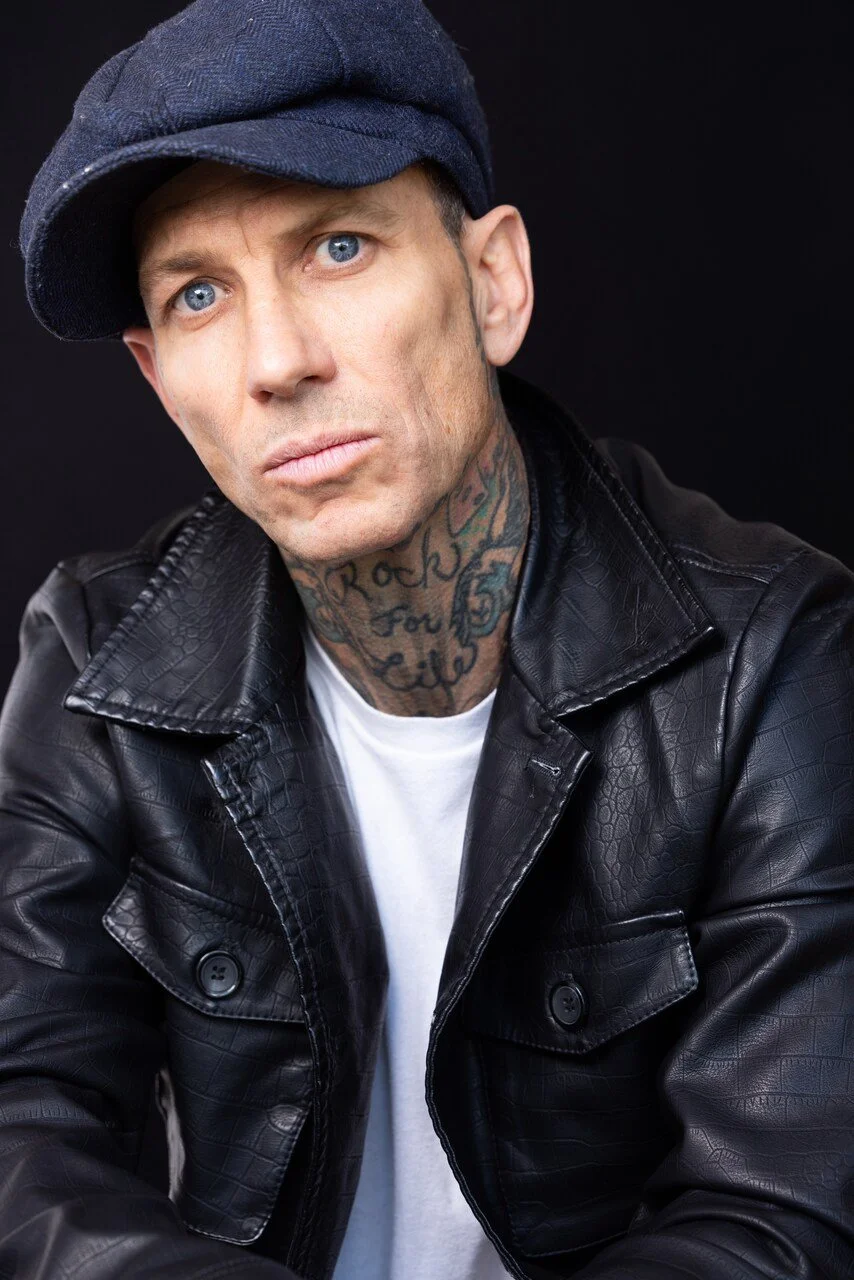
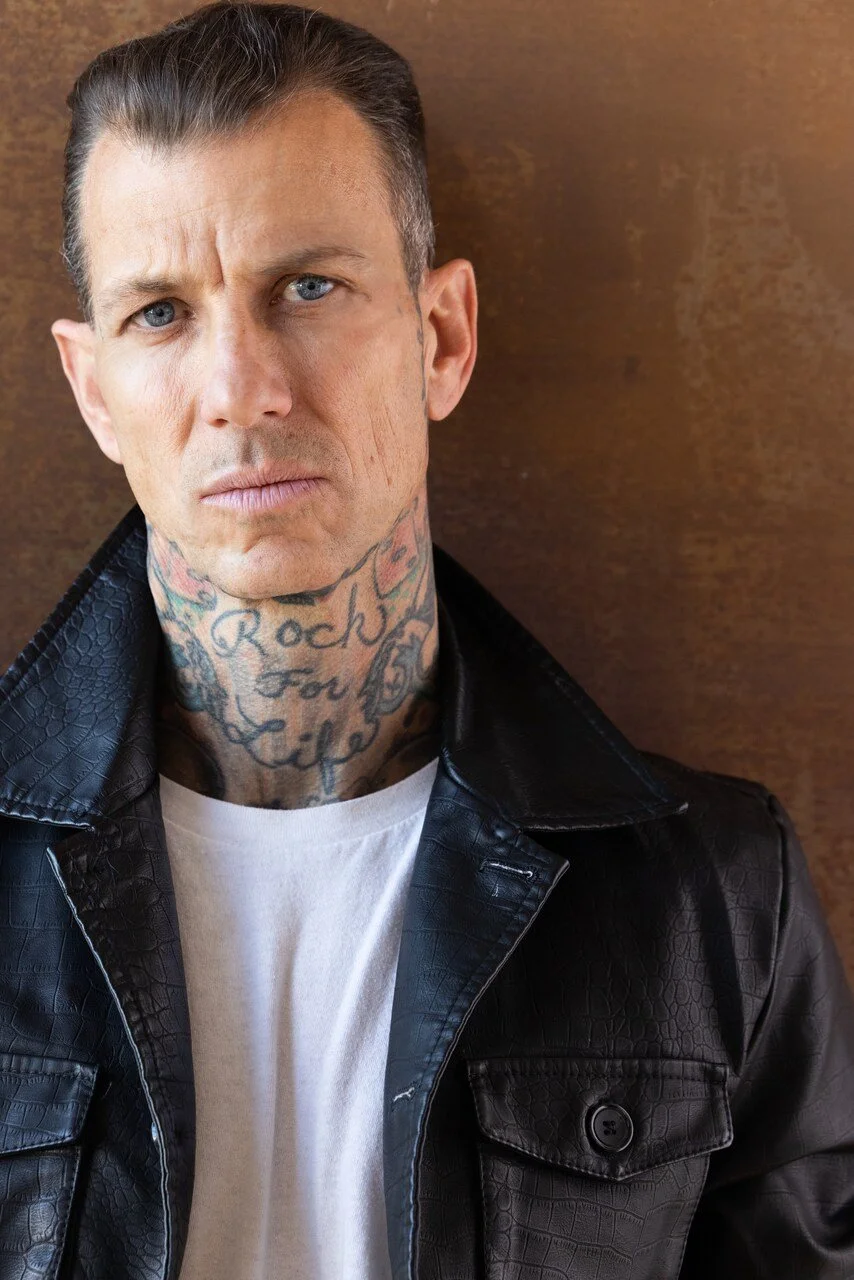
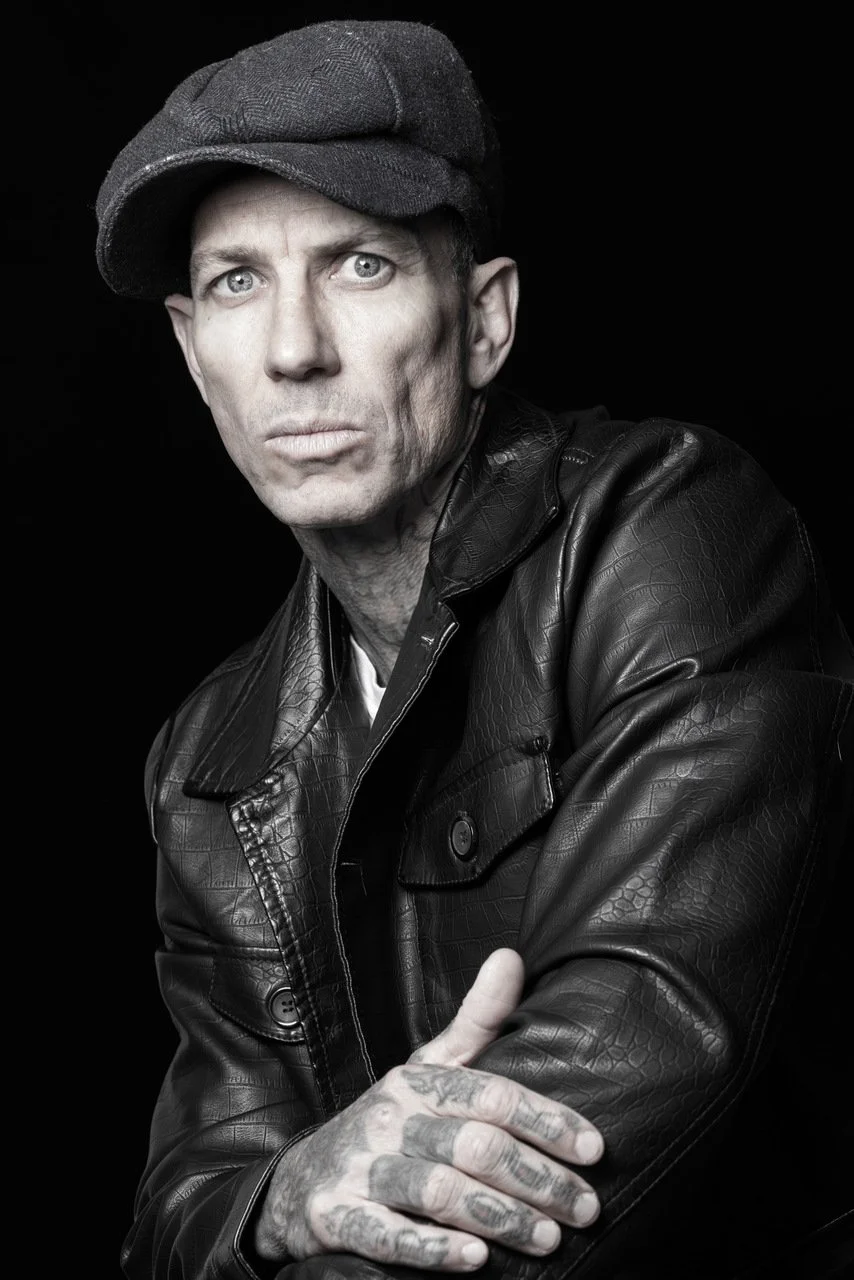
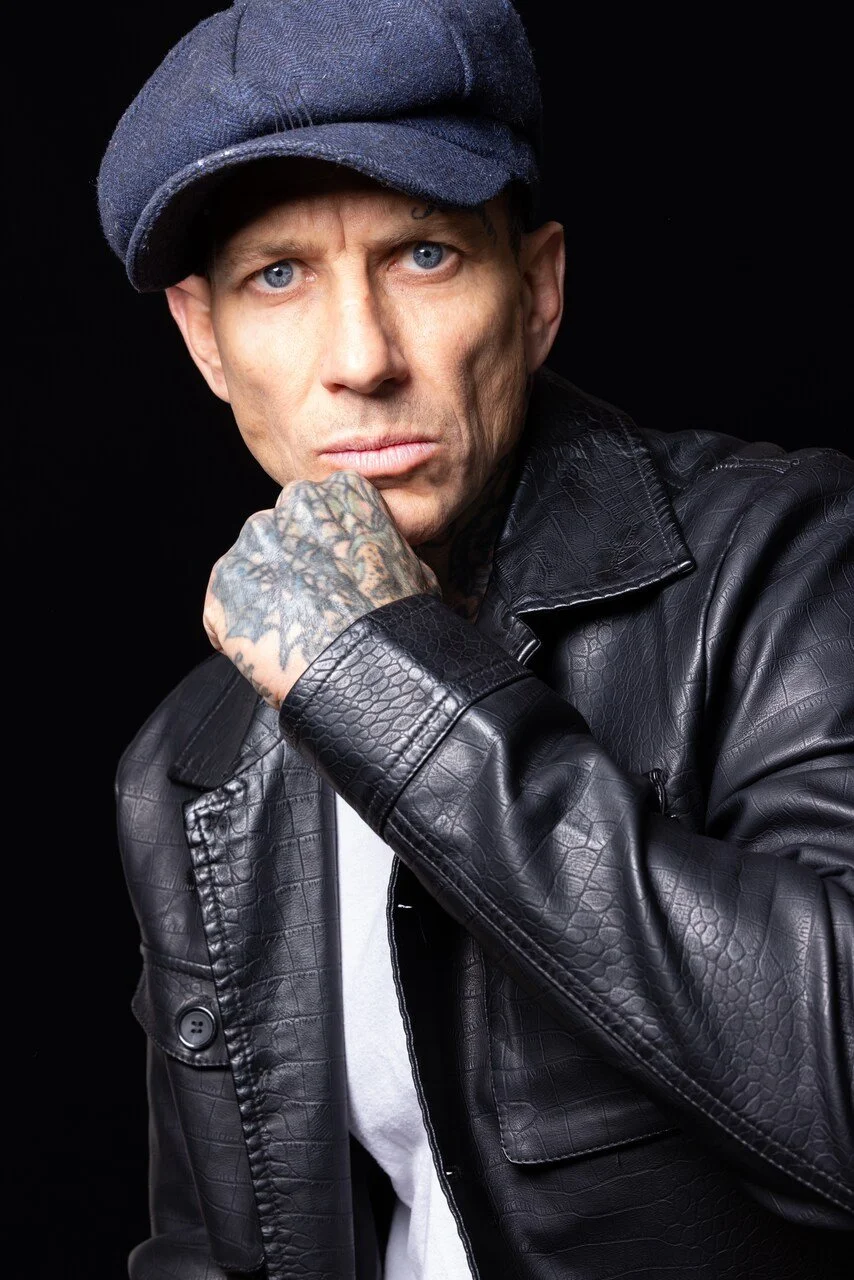
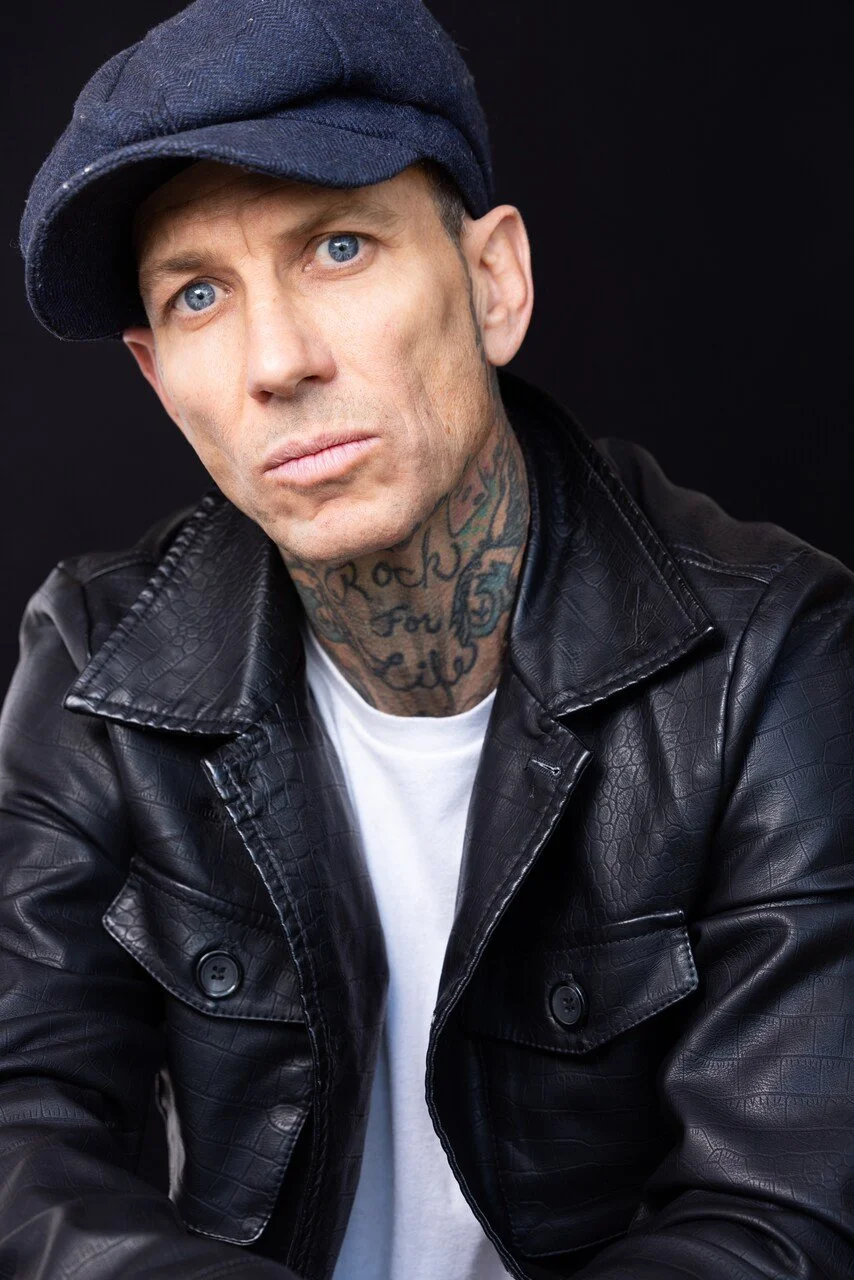
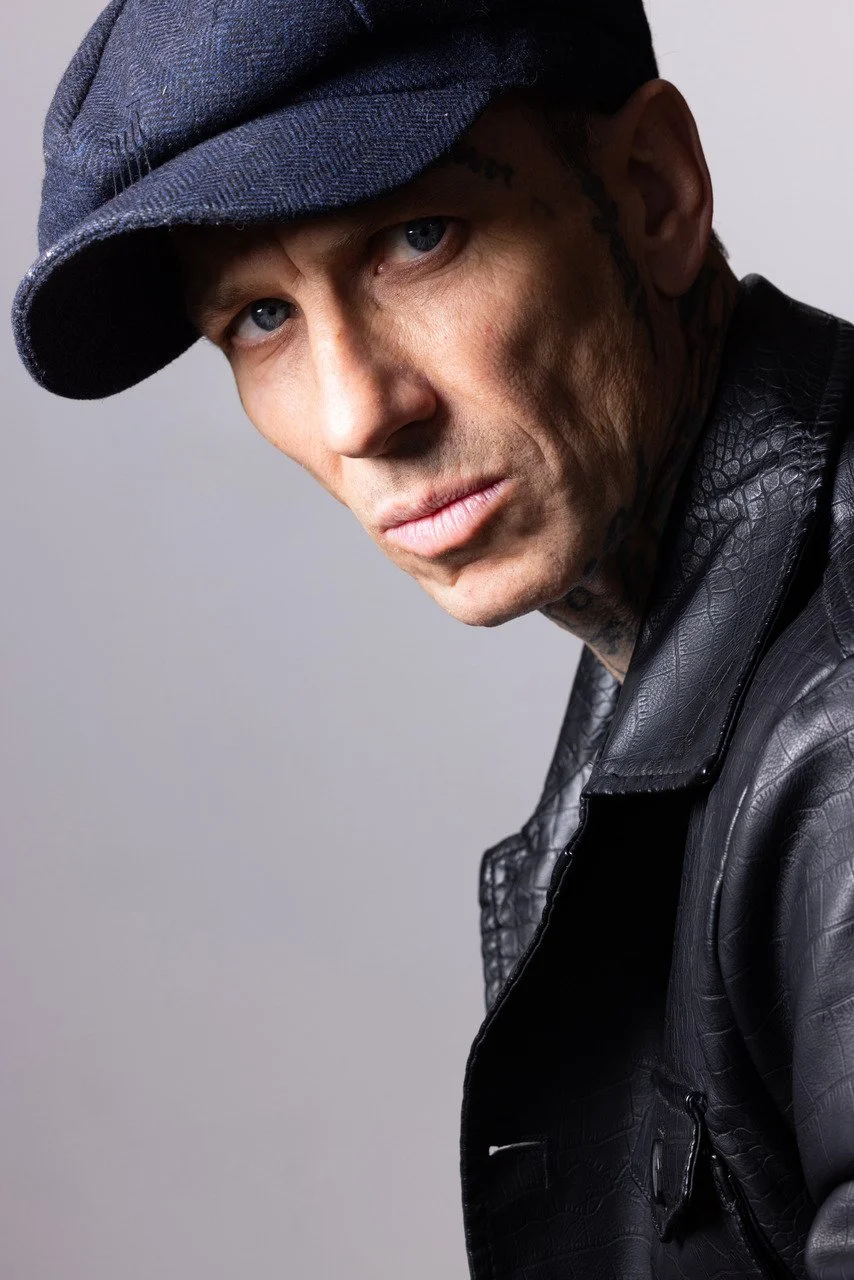
Michael Ronan’s career reads like a study in reinvention—an artist who refused to be defined by a single stage, a single medium, or even a single identity.
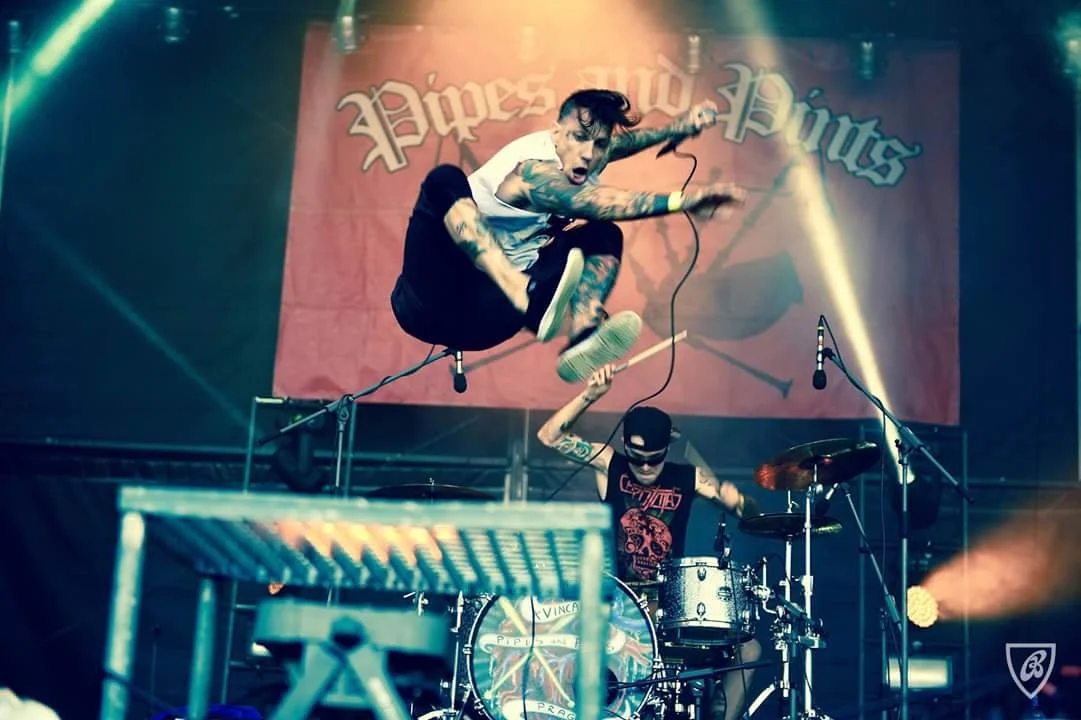
Known first as a commanding frontman in the European punk hardcore scene, Ronan carved out a reputation built on raw energy, lyrical intensity, and a refusal to compromise. His 2012 European award for Best Punk Hardcore Record wasn’t just recognition of a standout album;
it was a confirmation that his voice—gritty, urgent, and unfiltered—had struck a chord across borders.
On stage, Ronan embodied the spirit of punk at its most vital. His performances were less about polish and more about presence. He had the rare ability to make every venue feel volatile, as though something unpredictable could happen at any moment. Fans didn’t just listen—they experienced. That connection, forged in sweat-soaked clubs and festival stages, became the foundation of his artistic identity. But staying in one lane was never part of Ronan’s story. As the years progressed, a quiet shift began. While many artists in his position might have doubled down on their established success, Ronan turned his focus toward a different kind of storytelling—one that required stillness as much as intensity. Acting, at first glance, might seem like a departure from punk’s explosive immediacy, but for Ronan, it was a natural extension. Both crafts, after all, demand authenticity. His transition into film and television wasn’t marked by overnight stardom, but by deliberate, often understated growth. Early roles showcased a performer willing to learn the mechanics of the craft from the ground up. There was a noticeable restraint in his acting—a contrast to his musical persona—that hinted at a deeper range.
Where his music had been about projection, acting required absorption: listening, reacting, inhabiting.
What makes Ronan’s shift compelling is not just that he changed careers, but how he carried his past with him. The same emotional honesty that fueled his music began to surface in his performances on screen. Directors have noted his instinctive approach to character, an ability to tap into something unpolished yet deeply human. It’s the kind of presence that can’t easily be taught.
In television, Ronan has gravitated toward roles that mirror his own complexity—characters who exist in gray areas, navigating tension, conflict, and identity. His film work, meanwhile, has allowed him to explore quieter moments, proving that intensity doesn’t always require volume. Sometimes, it’s in a glance, a pause, a line delivered just off-center.
There’s also an underlying theme that connects both phases of his career: risk. Punk, by nature, is a genre built on defiance, and Ronan has carried that ethos into his acting choices. He hasn’t chased obvious roles or easy recognition. Instead, he’s leaned into projects that challenge him, even if they come without guarantees.
For audiences who knew him only as a musician, his evolution might seem surprising. But for those who look closer, the throughline is clear. Whether on stage or on screen, Michael Ronan is driven by a need to express something real—something that cuts through pretense.
His journey is still unfolding, and that’s part of what makes it compelling. He stands as an example of what can happen when an artist refuses to be static,
when they allow themselves to evolve without abandoning their core. From the chaos of punk stages to the controlled intensity of film sets,
Ronan’s path isn’t just a career shift—it’s a testament to creative endurance.
And if his past is any indication, he’s far from finished redefining what that means.
Videos